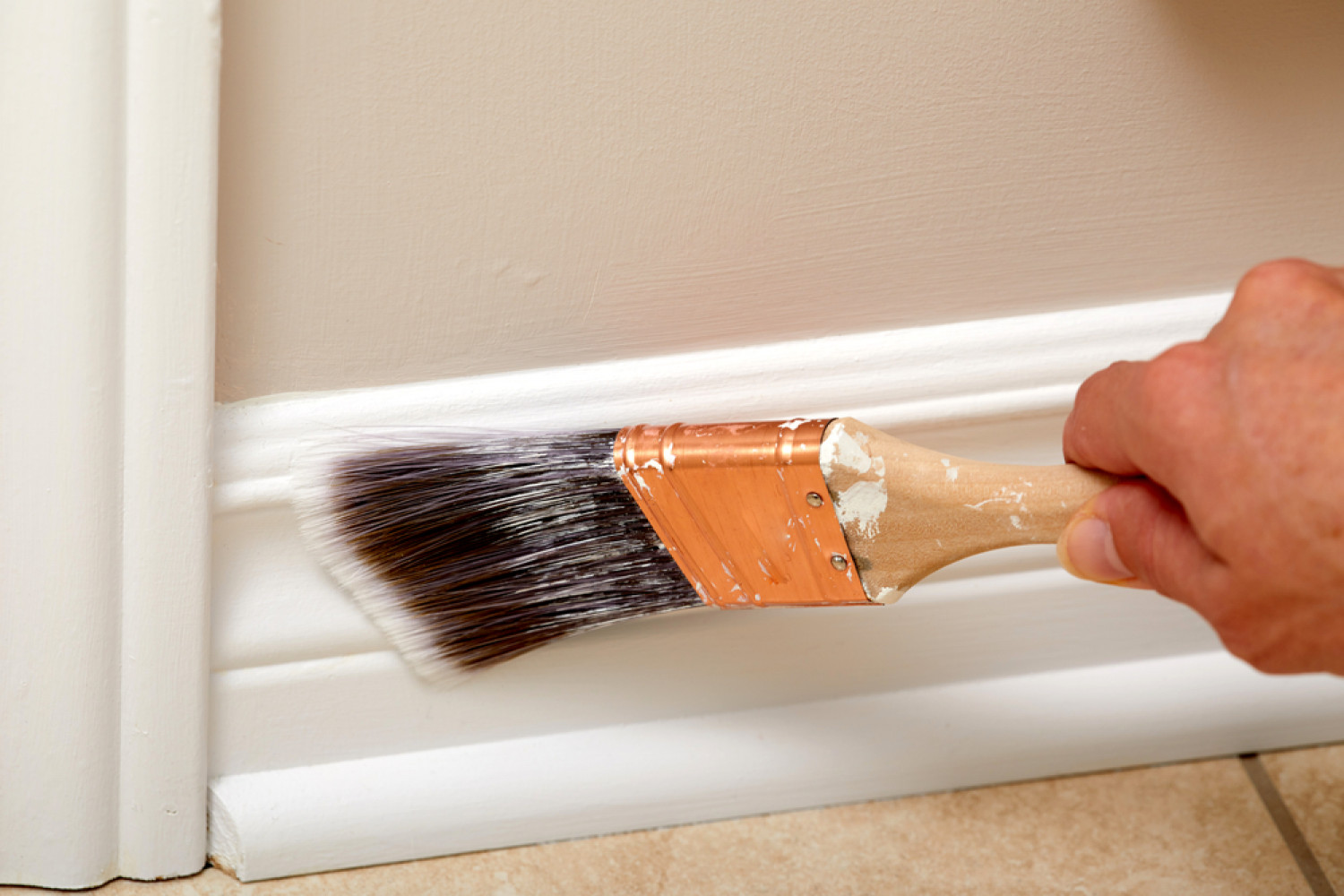
Trim & Molding Painting
Contact Us

E&P Painting & Drywall handles trim and molding painting for homeowners in Virginia Beach who need to bring life back to scuffed baseboards, door casings, and window frames that have dulled from wear. When you run your hand along the trim or stand back to look at a doorway, you notice chips in the finish, dull patches where furniture has bumped the wood, or edges where paint has pulled away from the surface. This service focuses on those areas that frame your rooms and define the transition between walls, ceilings, and floors.
The work involves taping off walls and adjacent surfaces, sanding rough spots or old drips, priming bare wood or patched areas, and applying durable coatings that resist the kind of daily contact trim receives. E&P Painting & Drywall uses precision brushwork and careful masking to create clean lines where trim meets drywall or plaster. Coatings are selected to withstand scuffs from vacuum cleaners, shoe contact, and the seasonal expansion that affects wood in humid coastal conditions common throughout the region.
If your trim looks worn or the paint no longer matches the sharpness of your walls, reach out to discuss how refresh work can restore those details in your home.
You will see the difference in how light catches the edges of door frames and baseboards after the old finish is sanded, primed where necessary, and recoated. The process includes removing hardware when needed, filling small nail holes or cracks with wood filler, and smoothing the surface before any brush touches the trim. Tape lines are set with care to avoid paint bleed, and coatings are applied in thin layers to prevent buildup or visible brush marks.
After the work is complete, you will notice that baseboards no longer show scuff marks from daily traffic, that door casings have a uniform finish without chipped corners, and that window trim sits crisp against the wall color. E&P Painting & Drywall matches the sheen and tone to complement your existing palette, whether you prefer a semi-gloss that highlights detail or a satin finish that softens the contrast between trim and walls.
The coatings used are formulated to resist yellowing and wear over time, particularly in areas that receive direct sunlight or frequent contact. Surface preparation is adjusted based on the condition of the existing finish, and any areas with moisture damage or wood rot are noted before painting begins. This service does not include carpentry repair or replacement of damaged wood, but it does address the cosmetic layer that protects and defines your trim.
Homeowners often ask how long the process takes, what finishes work best, and whether old layers need to be stripped before new paint goes on.